EPOW - Ecology Picture of the Week

Each week a different image of our fascinating environment is featured, along with a brief explanation written by a professional ecologist.

18-24 May 2026

Click on images for larger versions

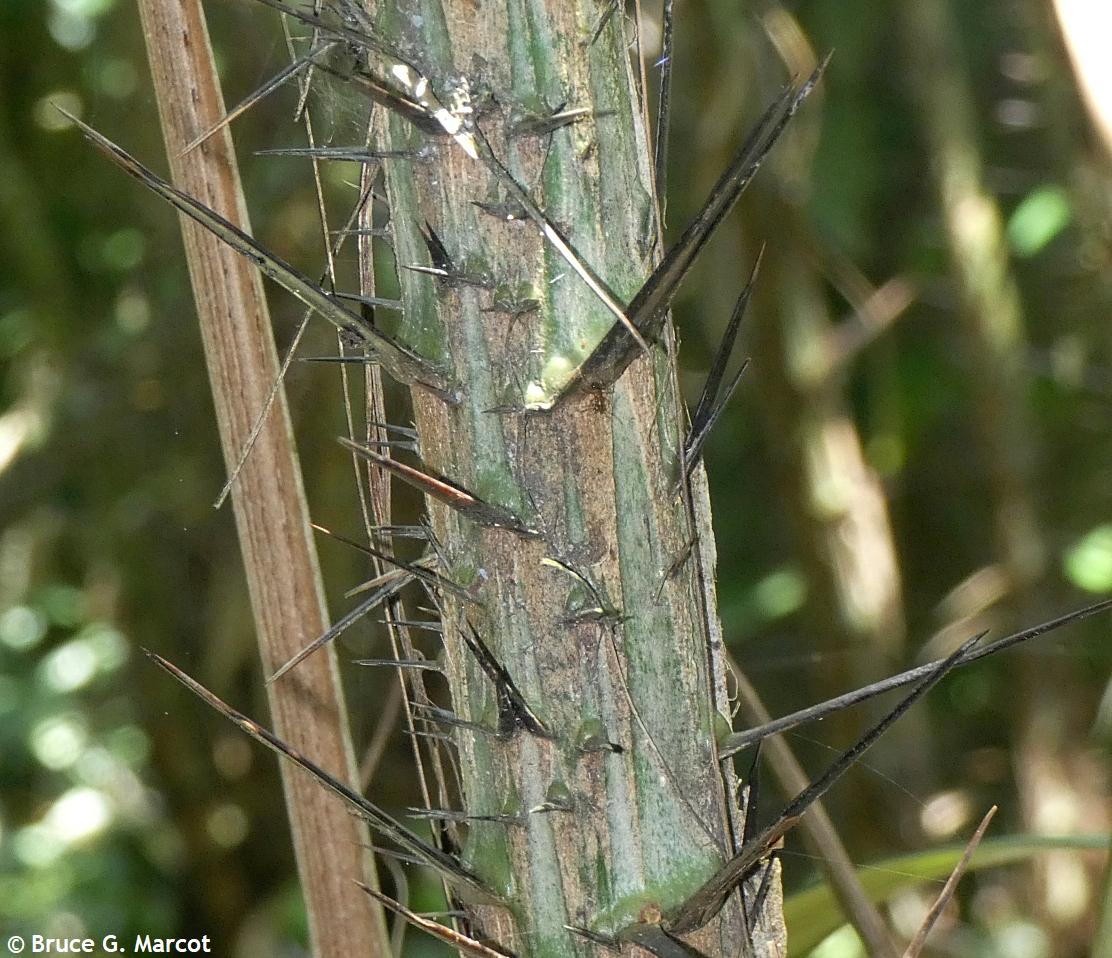
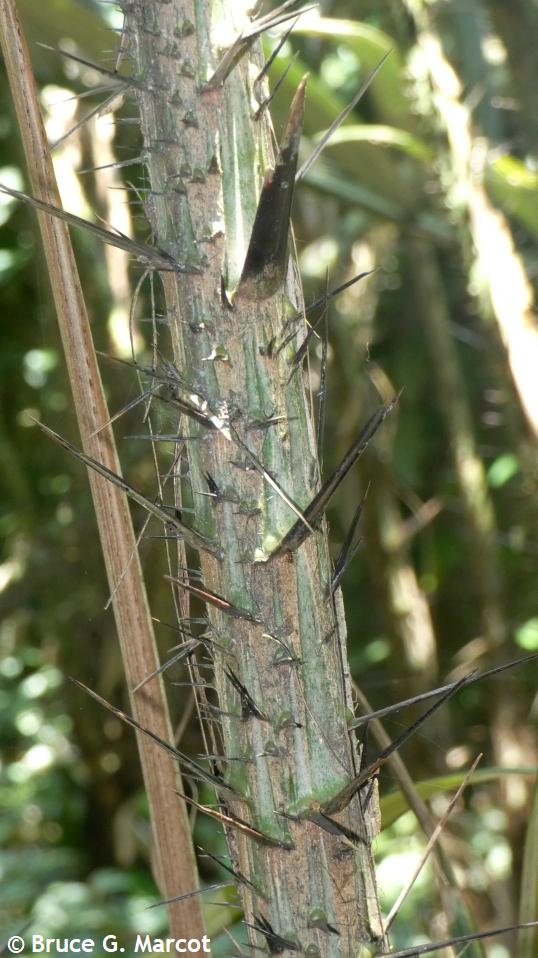
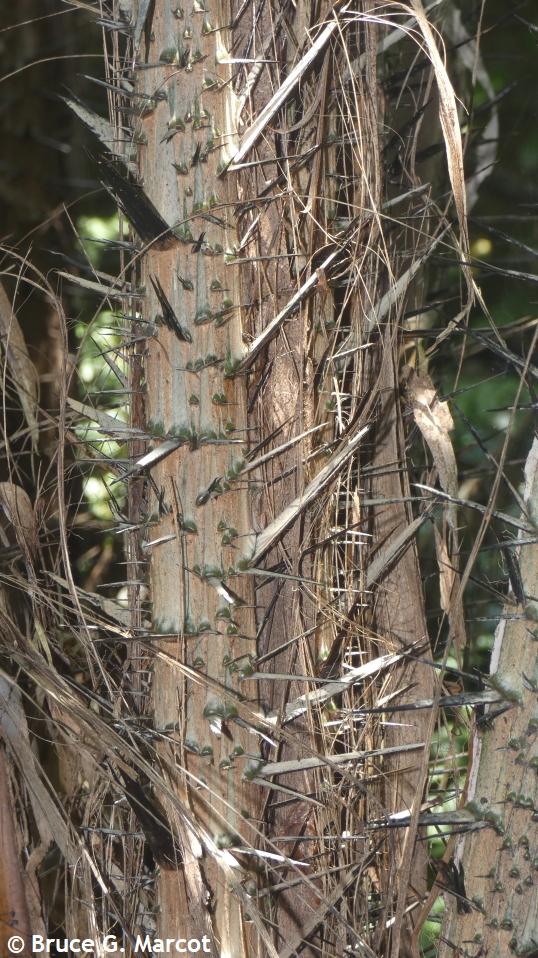
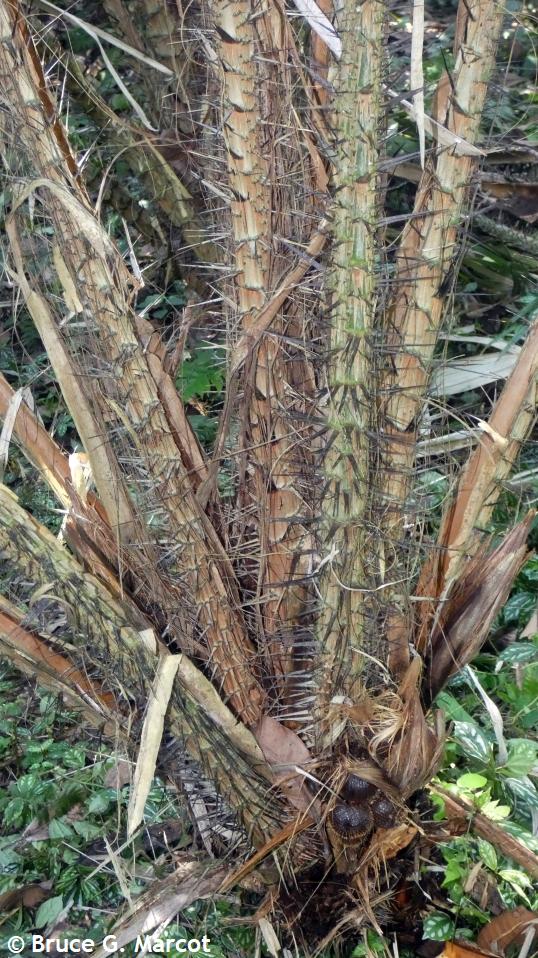
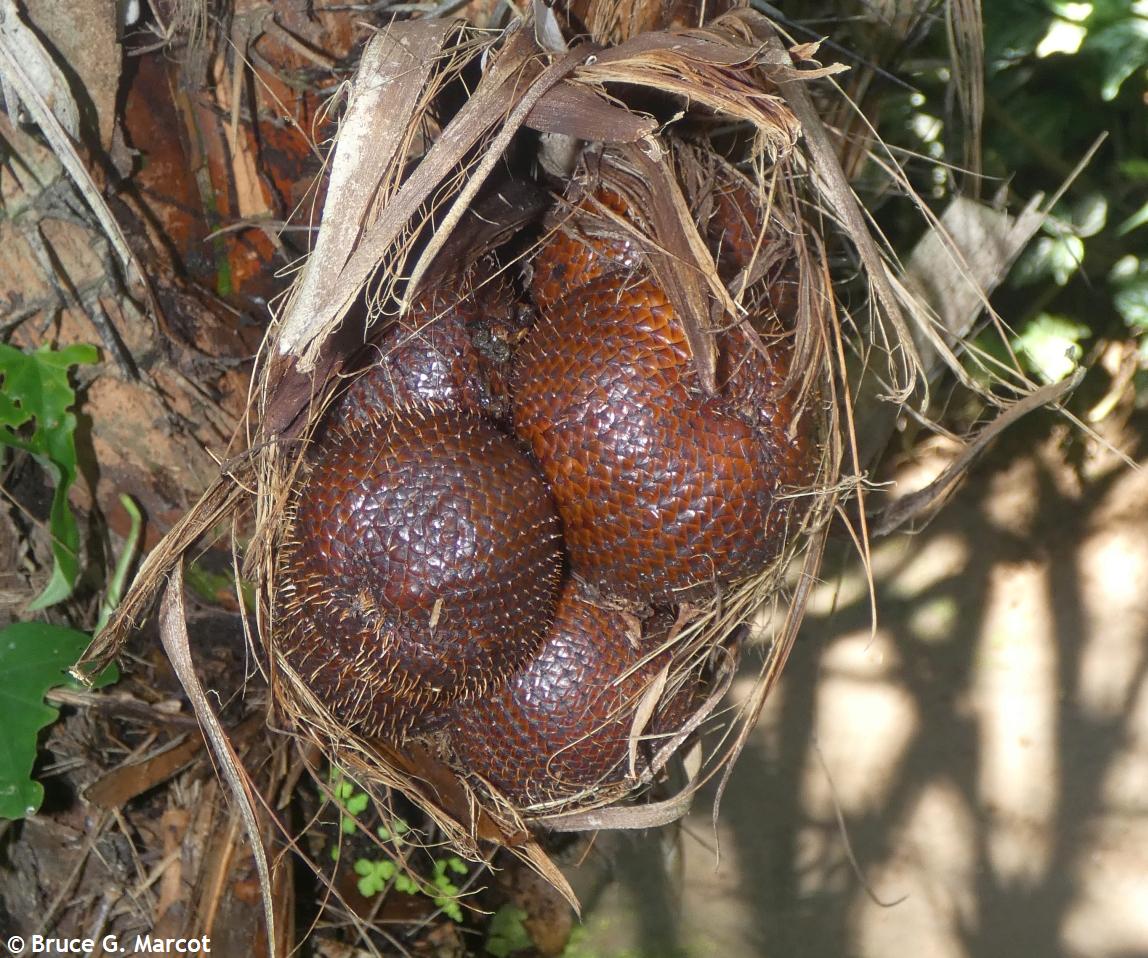
Thorned Palm With Snake Skin

Salak Palm (Salacca zalacca), Family Arecaceae
Bali, Indonesia

Credit & Copyright: Dr. Bruce G. Marcot

Explanation:  Beware!  If you are hiking through this copse of palms, don't grab onto the stems!

These are salak palms, growing in humus-rich soils of wetlands and streamside areas.  Salaks are evergreen, growing wild as tall shrubs here in Indonesia, native to Java, southern Sumatra, and elsewhere in the region.  


Here, on the island of Bali, they have been planted as a 'garden' which we visited in a previous EPOW episode to learn about the Asian palm civet.  


According to one source, sundry varieties are grown in Indonesia for various uses including sugar content, alcohol production, and "texture."  


When cultivated, salak palms are usually grown in the shade beneath taller shrubs or trees.


It is also cultivated in Thailand, Malaysia, and elsewhere in Indonesia, and has been introduced elsewhere around the world including Fiji, Australia, New Guinea, Philippines, and elsewhere.


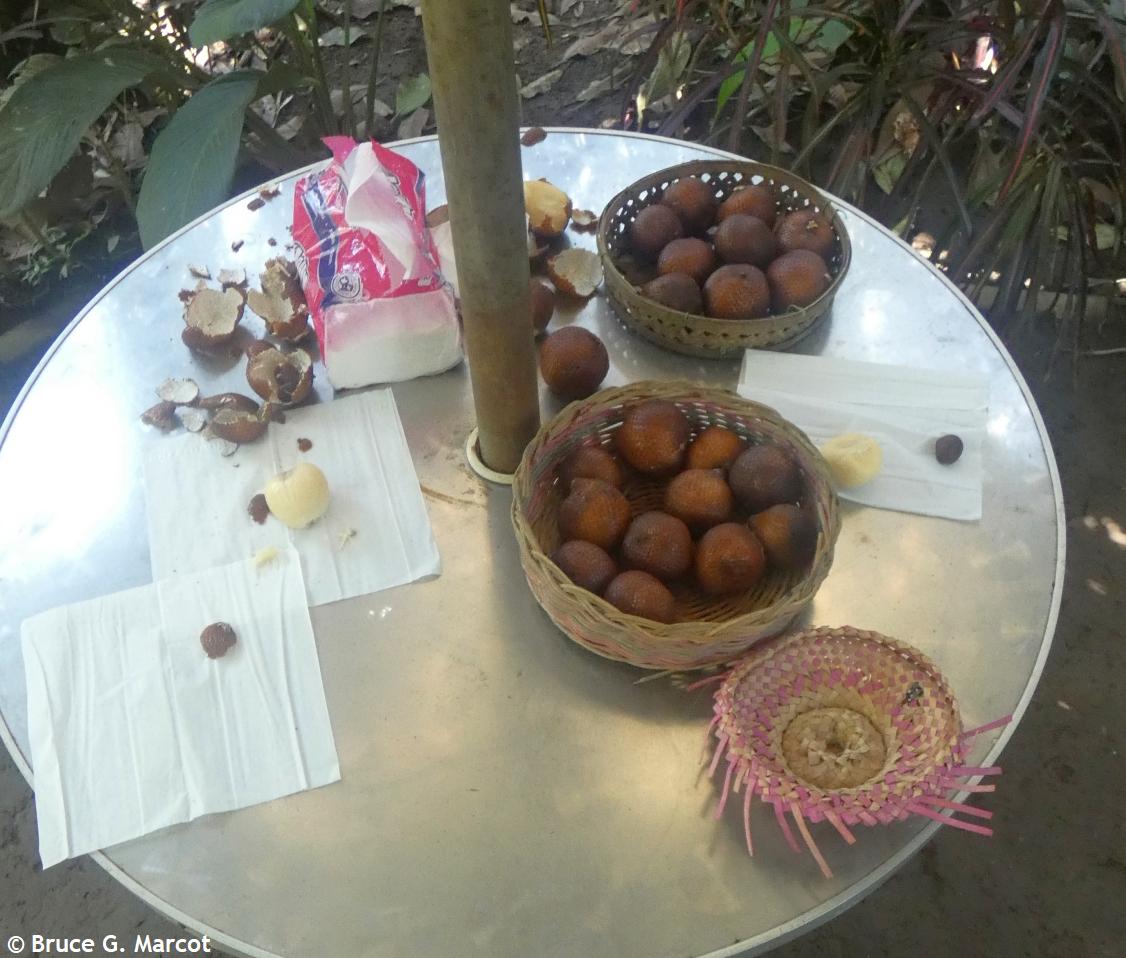
Of prime interest to horticulture are the fruits ... but even for those, still beware!  The skin of the fruit is very prickly, and scaly like that of a snake, giving the name "snake fruit."  But it is most delicious especially eaten fresh, and are made into candies, or pickled, and can be canned.  


Indeed, delicious are the fruits!


Information:
    Supapvanich, S., R. Megia, and P. Ding.  2011.  16 - Salak (Salacca zalacca (Gaertner) Voss).  Postharvest Biology and Technology of Tropical and Subtropical Fruits.  Woodhead Publishing Series in Food Science, Technology and Nutrition.  Pages 334-350, 351e-352e.  https://doi.org/10.1533/9780857092618.334 .


Next week's picture:  Caterpillar Patterns


< Previous ... | Archive | Index | Location | Search | About EPOW | ... Next >


Google Earth locations
shows all EPOW locations;
must have Google Earth installed

Author & Webmaster: Dr. Bruce G. Marcot
Disclaimers and Legal Statements
Original material on Ecology Picture of the Week © Bruce G. Marcot unless denoted otherwise