|
|
|
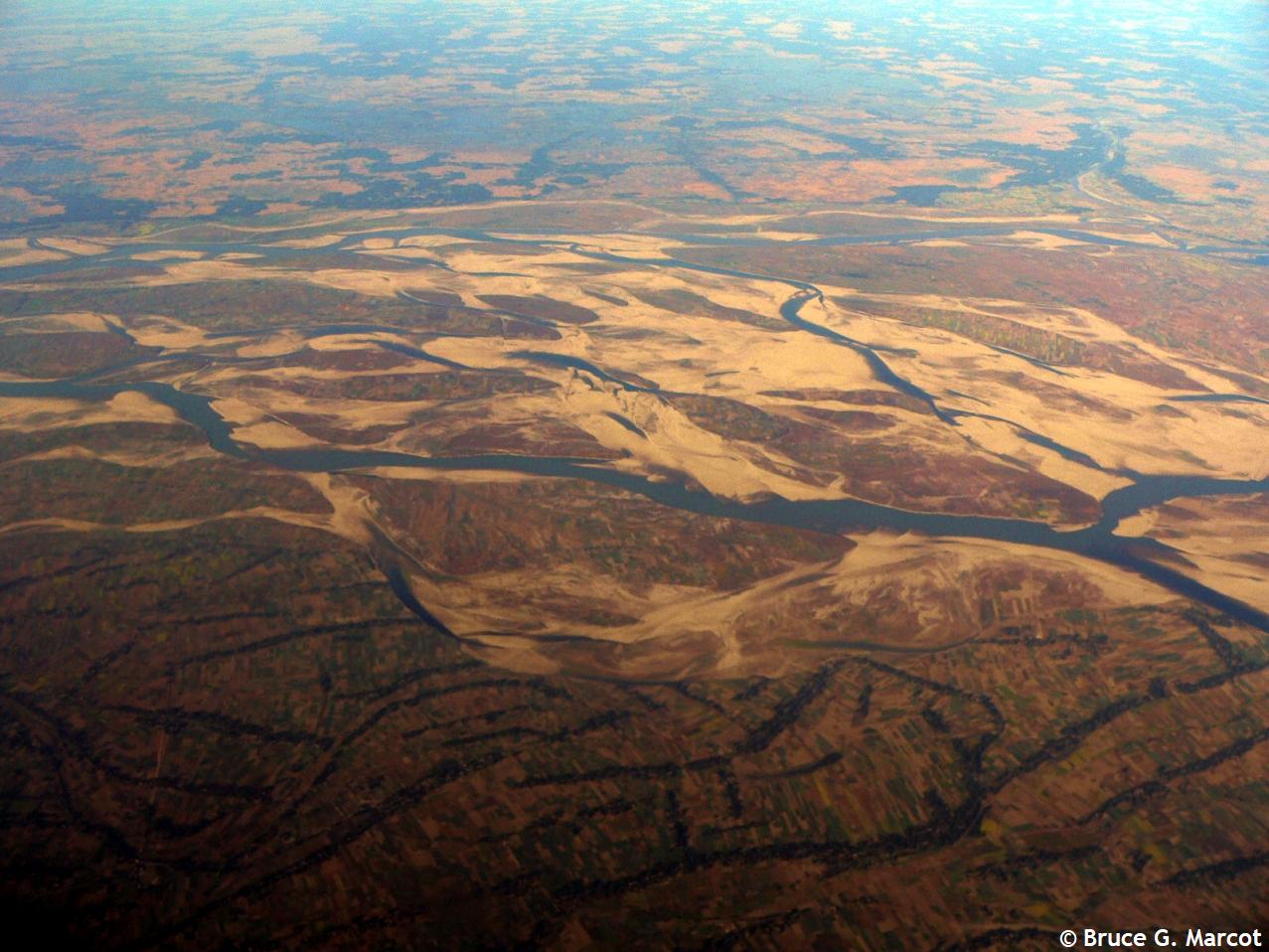
Patterns of the Brahmaputra |
|
|
|
|
|
Patterns of the Brahmaputra |
|
Brahmaputra River |
Credit & Copyright: Dr. Bruce G.
Marcot
|
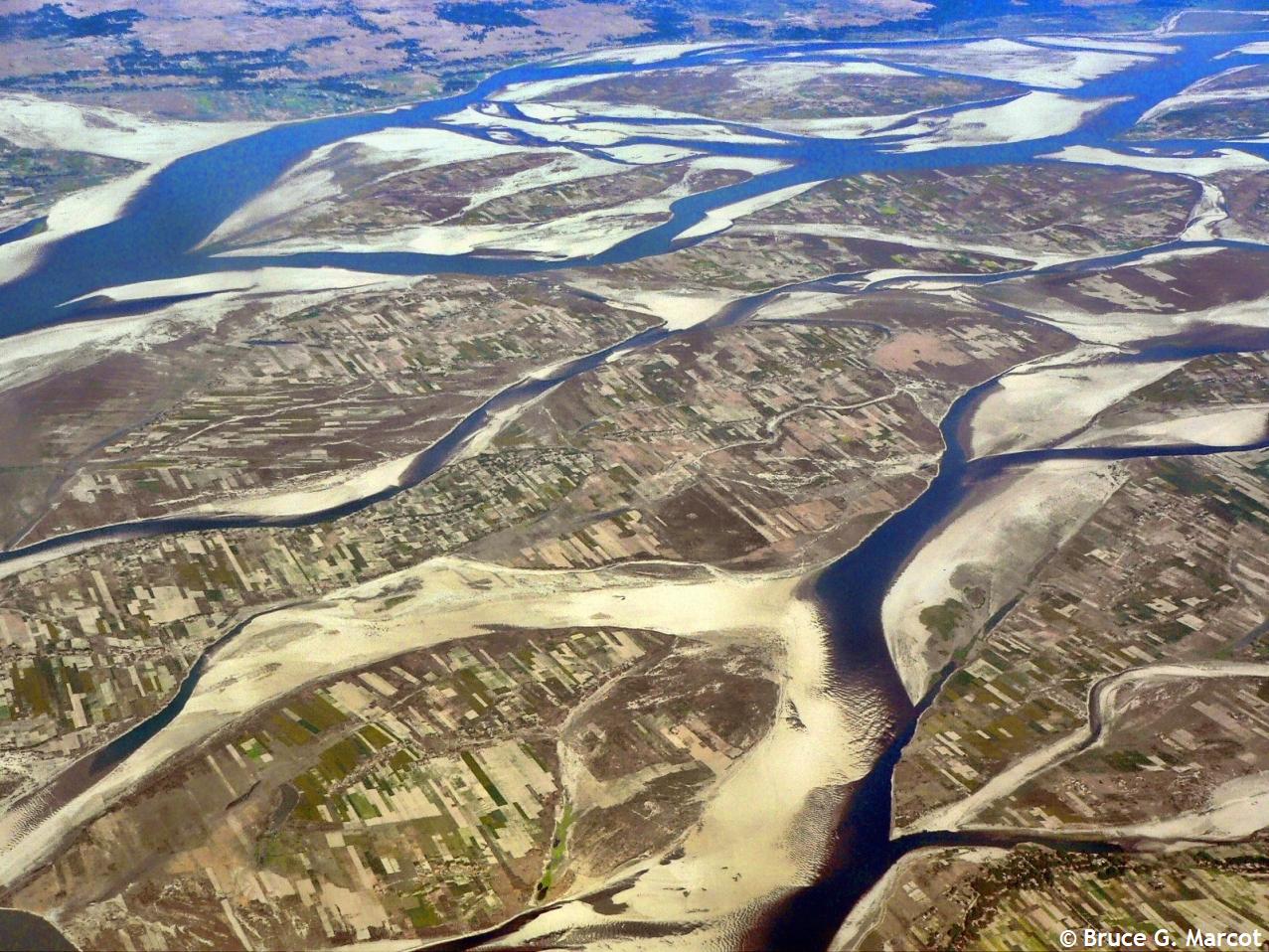
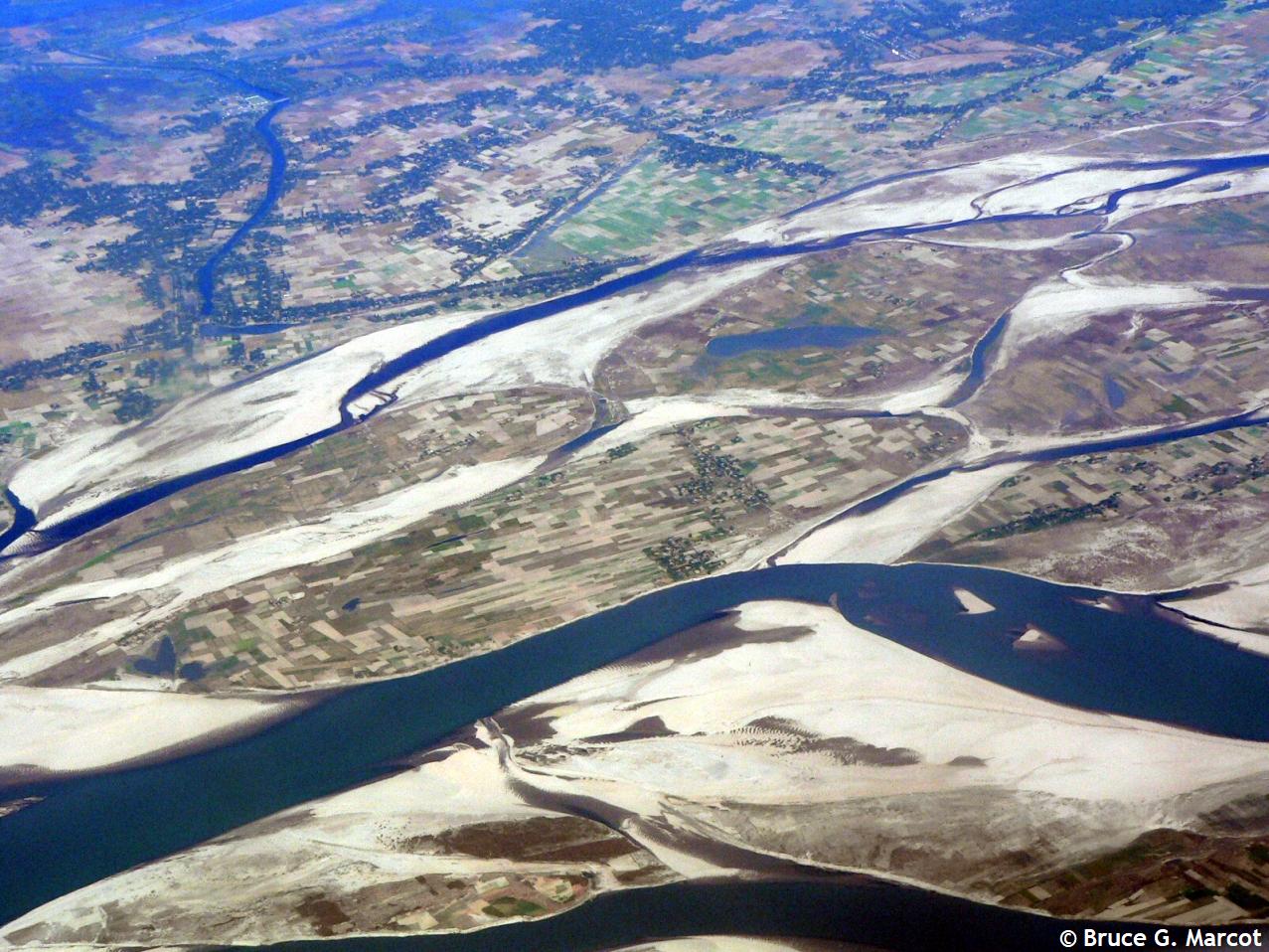
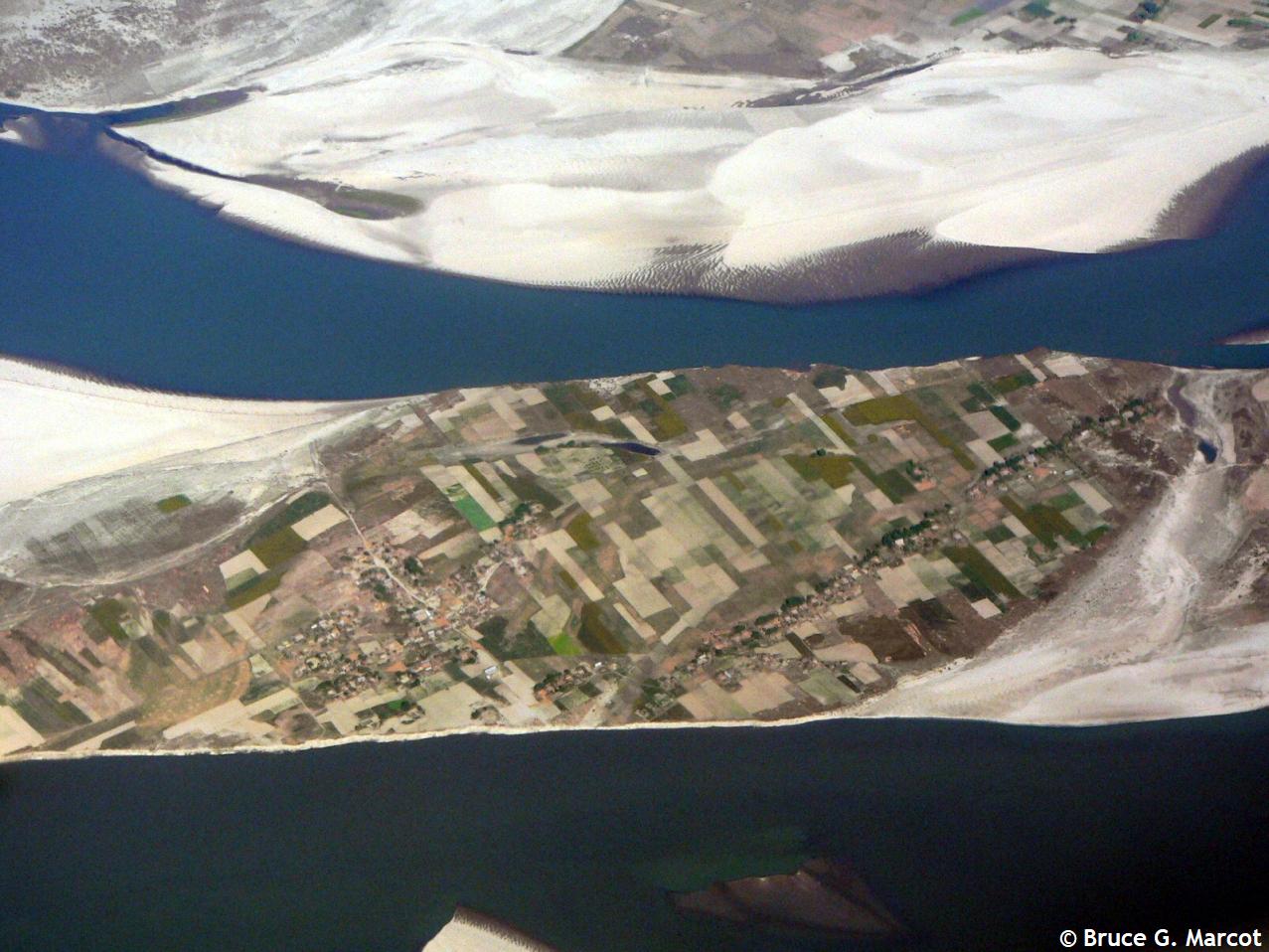
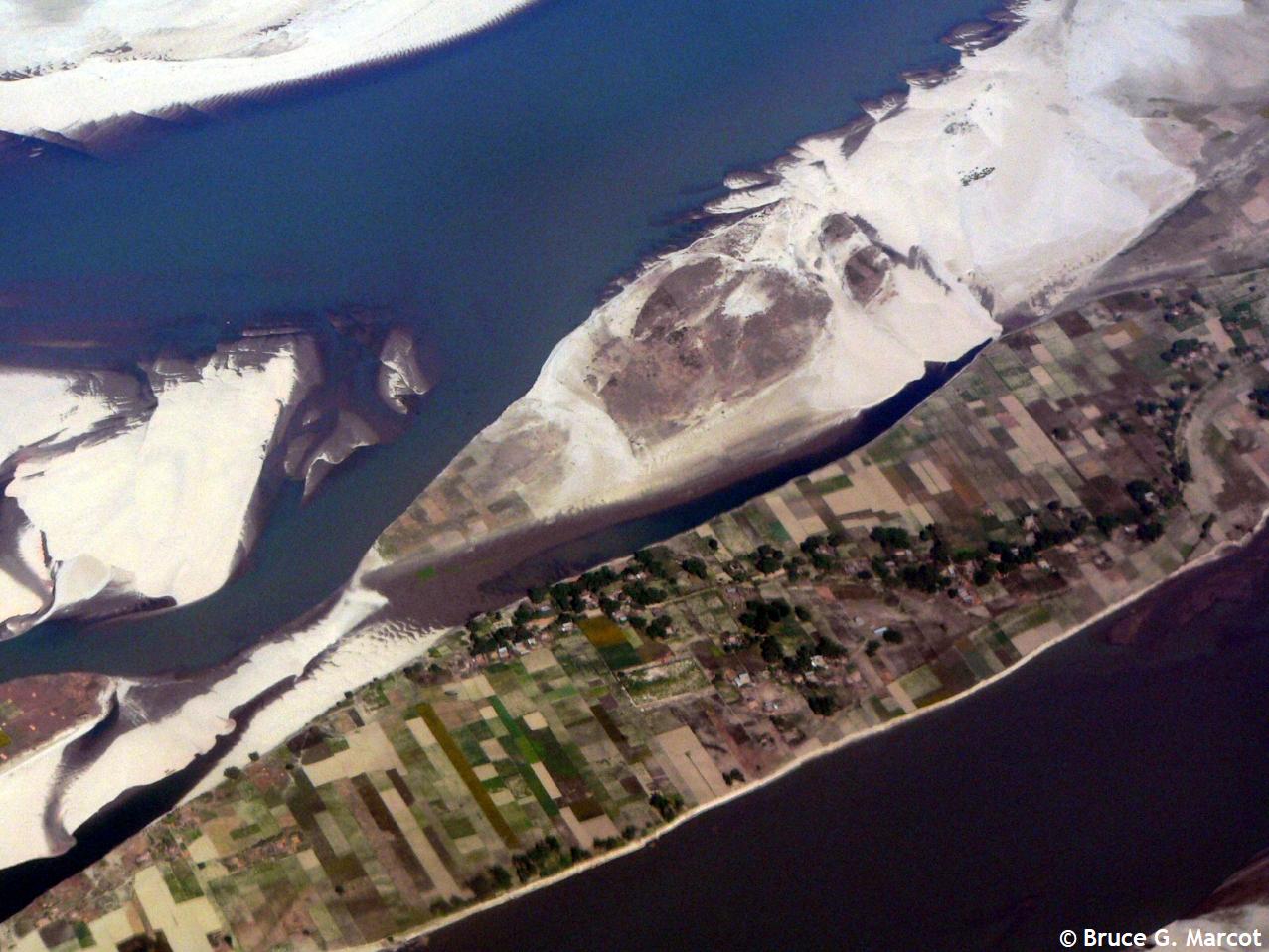
Explanation: On a flight from New Delhi to Guwahati in northeast India, I had a superb opportunity to enjoy the amazing patterns of the floodplains of the mighty Brahmaputra River. Here, the Indian state of Assam is squeezed between the countries of Bhutan to the north and Bangladesh to the south. The mighty Brahmaputra runs from the Himalayas to the north and east, westward through Assam, tipping south into Bangladesh, eventually emptying into the Bay of Bengal.
The river also provides many ecosystem services including water filtration, flood control, and soil conservation, but can be at threat of unpredictable erosion. At times, under regional climate warming, the ice and glacier origins of the river can thaw, melt, and cause sudden flooding of the riverbanks. Indeed, this has put local festivities along the river at risk, and some events have been canceled, and others protected with riverside barricades.
One study (Asada 2012) showed how at least five ethnic groups living in the same area actually inhabit separate ecological zones, and have developed unique livelihood patterns and lifestyles based on their ecological environment, growing different, locally-adapted crops in different seasons of the year. The diversity of the environment has fostered an interacting diversity of ethnic groups who exchange their agricultural products and their labor services. What an amazing system that has developed to coexist and share resources, and what a wonderful lesson for much larger scales of nations throughout the world!
|
Next week's picture: Thorned Palm with Snake Skin
< Previous ... | Archive |
Index |
Location | Search | About EPOW | ... Next >
Google Earth locations
shows all EPOW locations;
must have Google Earth installed
Author & Webmaster: Dr. Bruce G. Marcot
Disclaimers and Legal Statements
Original material on Ecology Picture of the Week © Bruce G. Marcot unless denoted otherwise