|
|
|
Variable Chiton |
|
|
|
|
|
Variable Chiton |
|
Variable Chiton (Ischnochiton maorianus), Family
Ischnochitonidae |
Credit & Copyright: Dr. Bruce G.
Marcot
|
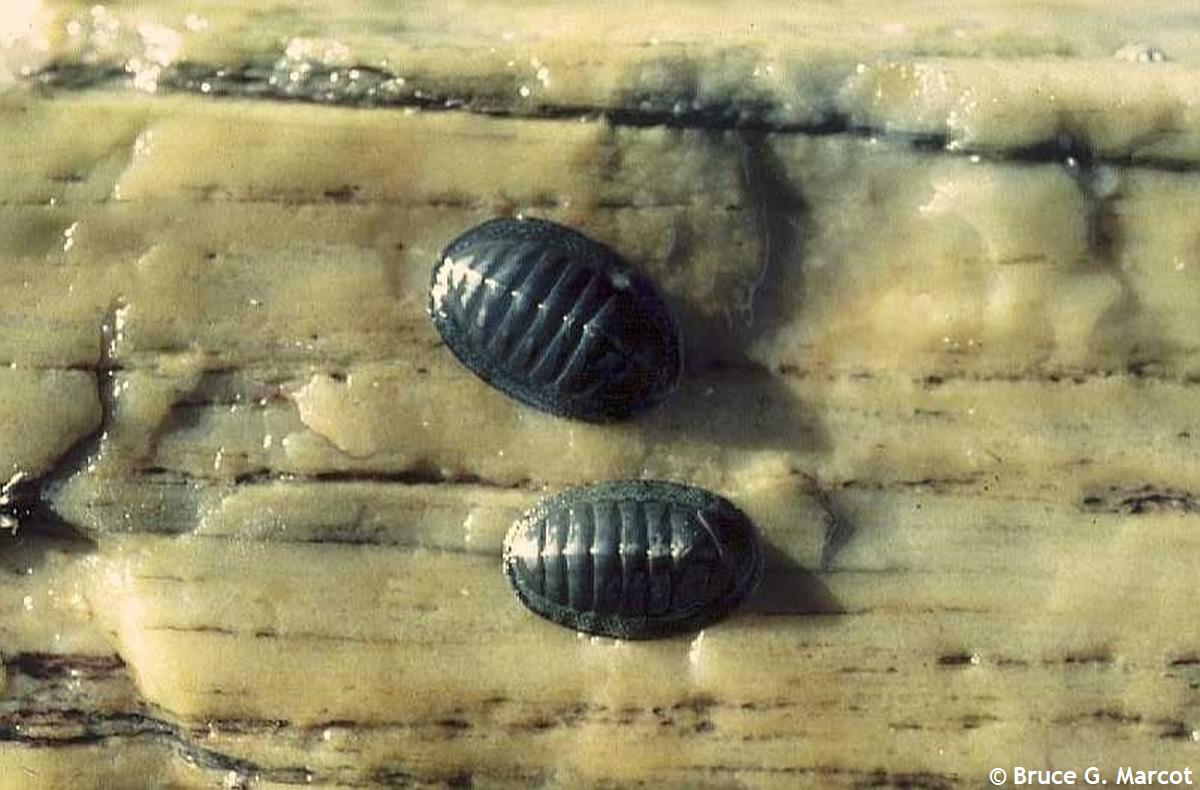
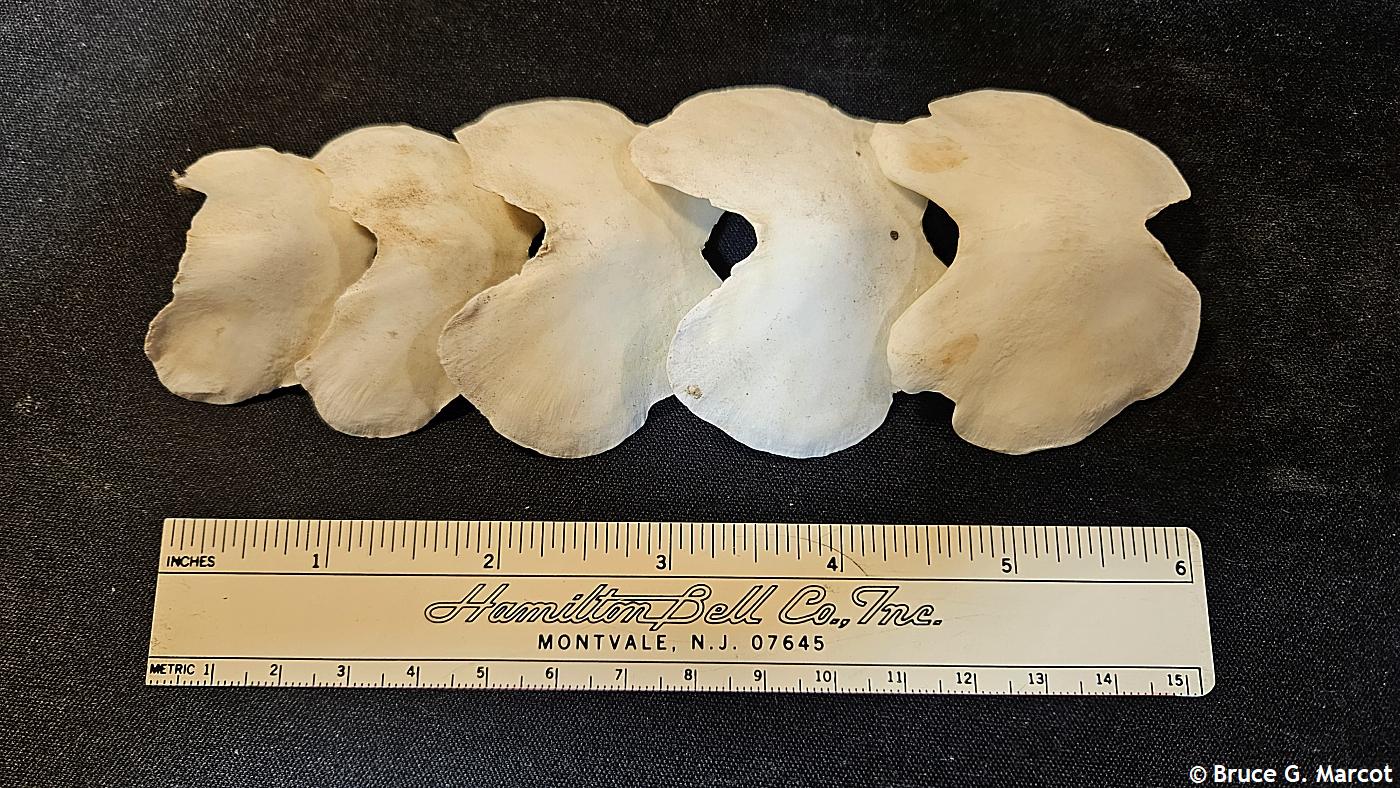
Explanation: While exploring wonderful Abel Tasman National Park near Tākaka along the northern shores of South Island, New Zealand, I happened upon these tiny buttons clinging to intertidal surf-sprayed rocks. Aha, these are variable chitons, endemic to New Zealand's main islands. Chitons, belonging to order Chitonida, are marine molluscs. They have imbricate (overlapping) hard plates, known as valves, that cover the dorsum (the back). This armor may help thwart predator attacks, such as from gulls and other seabirds. It also adds rigidity and strength as they adhere to rock surfaces with their foot, in search of food. And, speaking of food, I once learned that the local native peoples where I once lived along the far north coast of California, USA, had sought chitons to supplement their sustenance. So, being a seafood lover, I decided to give it a try. I found a specimen of the massive gumboot chiton (Cryptochiton stelleri of family Acanthochitonidae), brought it home, sliced it open and removed the valves. I then proceeded to pound the foot the same way as I prepare abalone, to soften the meat, and then I cooked it in a pan on the stove with a little oil and butter. The taste was ... deep, strongly emanating a dense marine spirit. For many, I would think, it would take some getting used to. But it was an experience I savored (in all sense of the word). And here are the valves remaining from my culinary experiment (chitons have eight valves, but I was able to save only five here intact):
|
Next week's picture: Red-Legged Cormorant Colony
< Previous ... | Archive |
Index |
Location | Search | About EPOW | ... Next >
Google Earth locations
shows all EPOW locations;
must have Google Earth installed
Author & Webmaster: Dr. Bruce G. Marcot
Disclaimers and Legal Statements
Original material on Ecology Picture of the Week © Bruce G. Marcot unless denoted otherwise