|
|
|
Oases of North Africa |
|
|
|
|
|
Oases of North Africa |
|
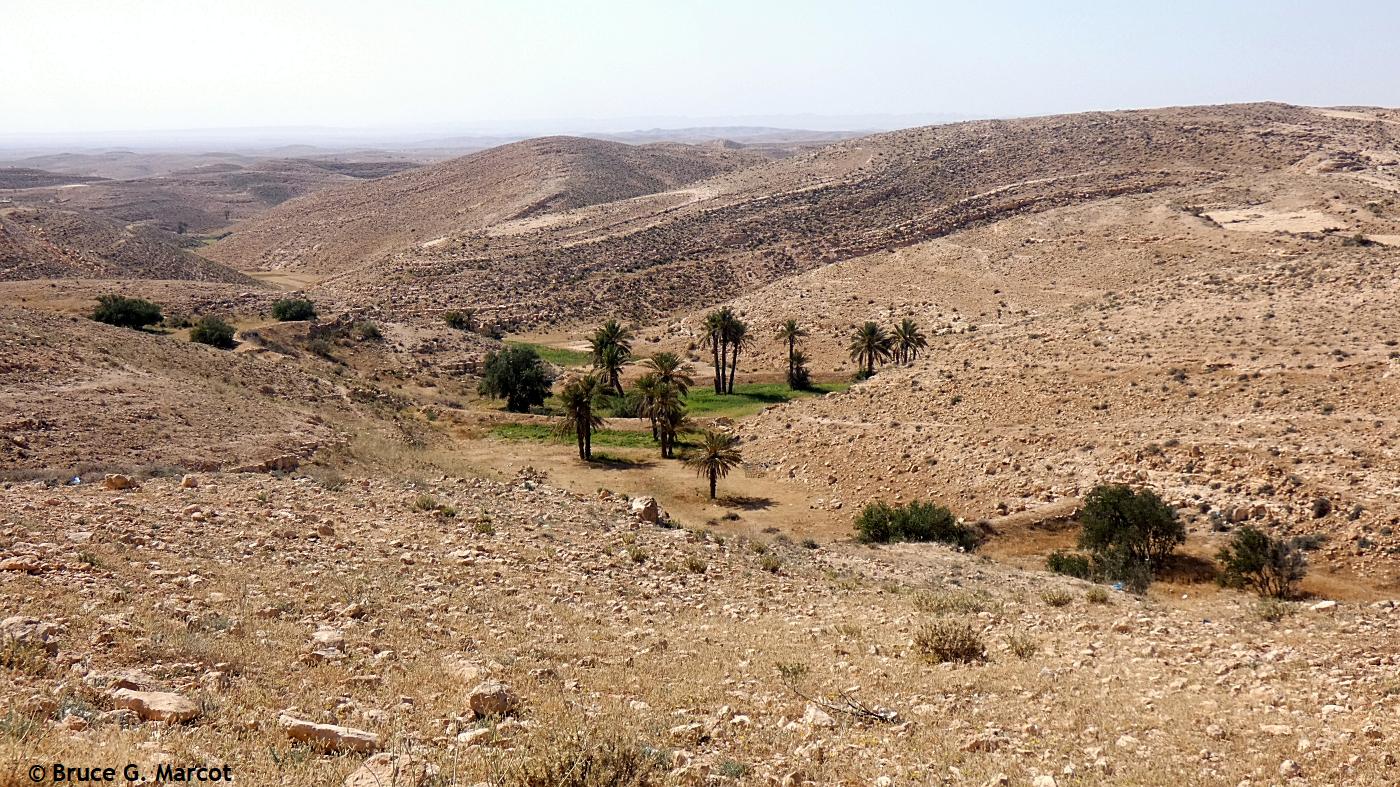
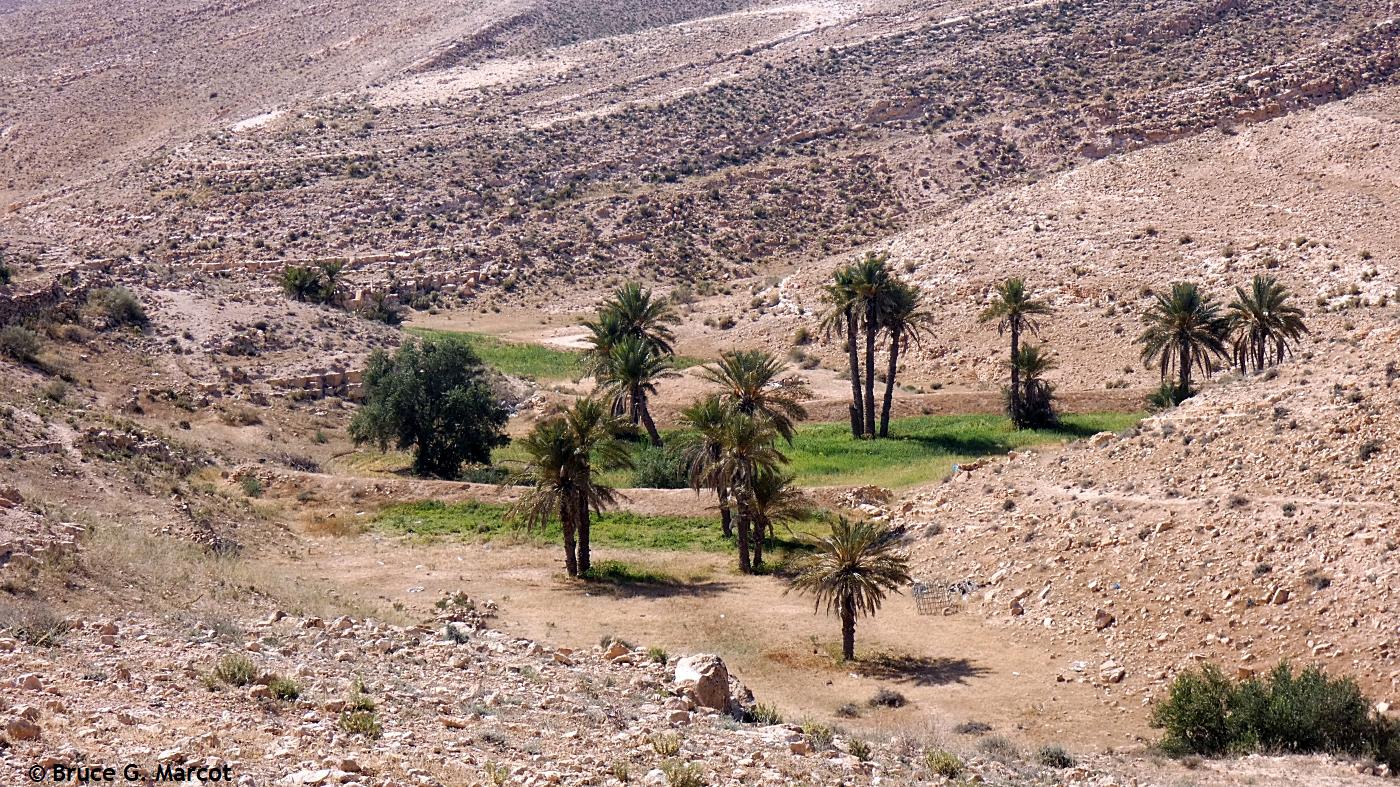
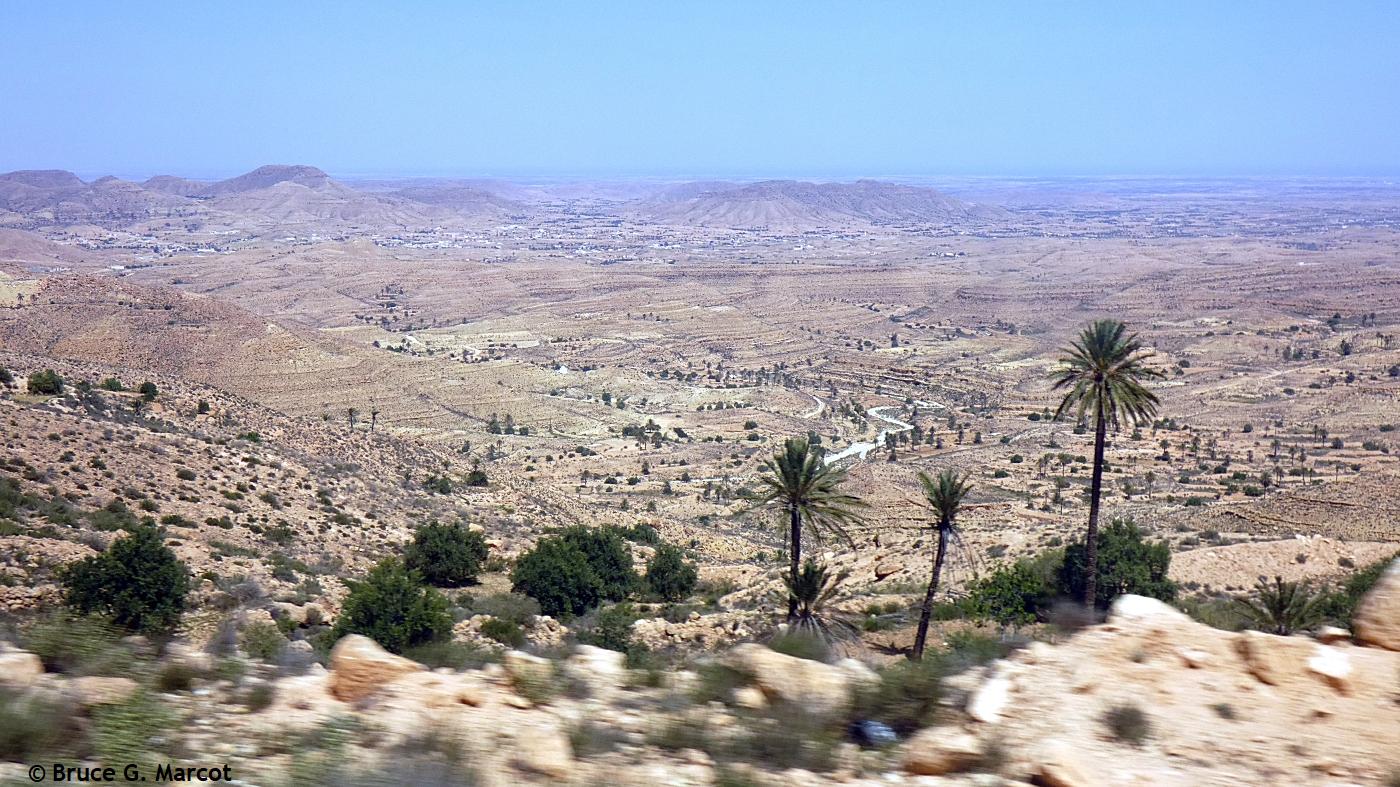
Date Palm Oasis, Sahara Desert Camp |
Credit & Copyright: Dr. Bruce G.
Marcot
|
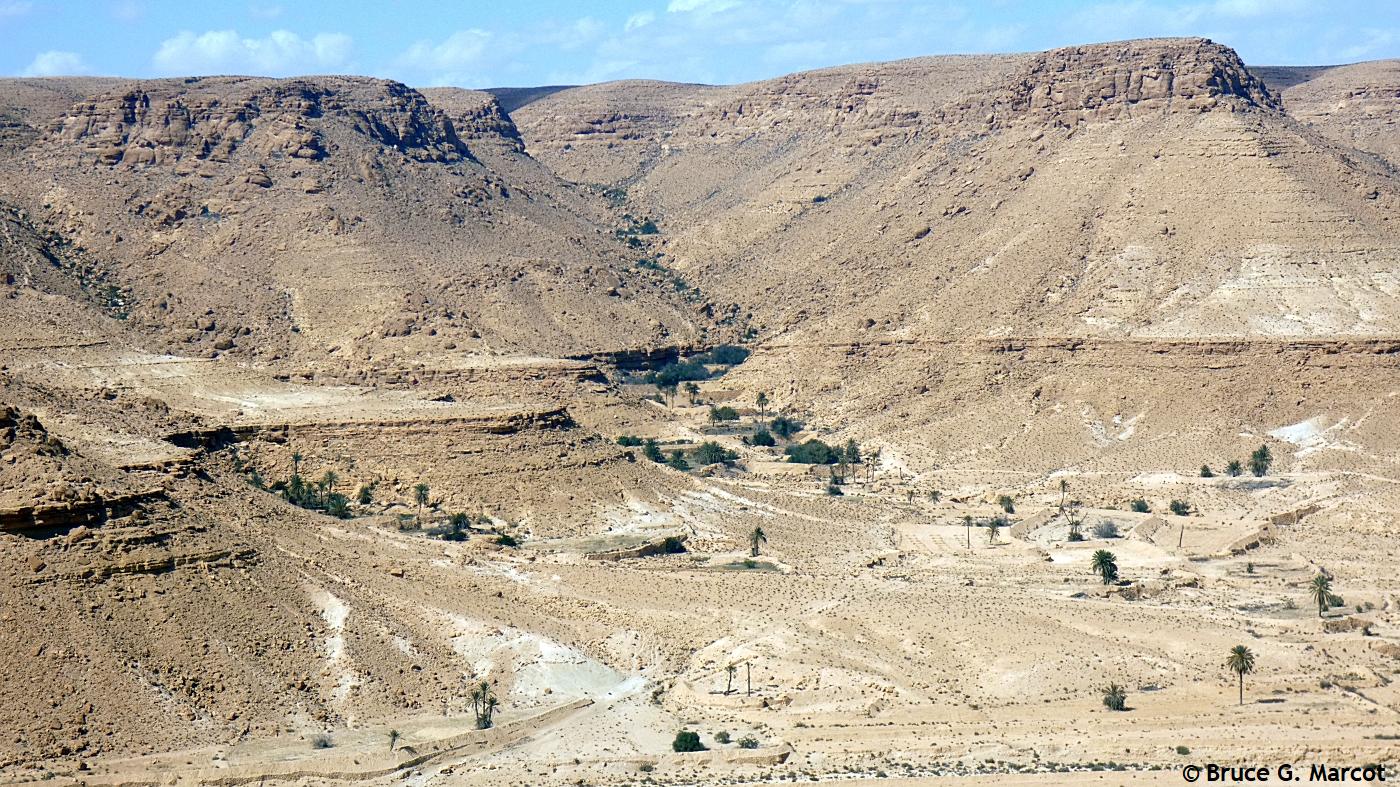
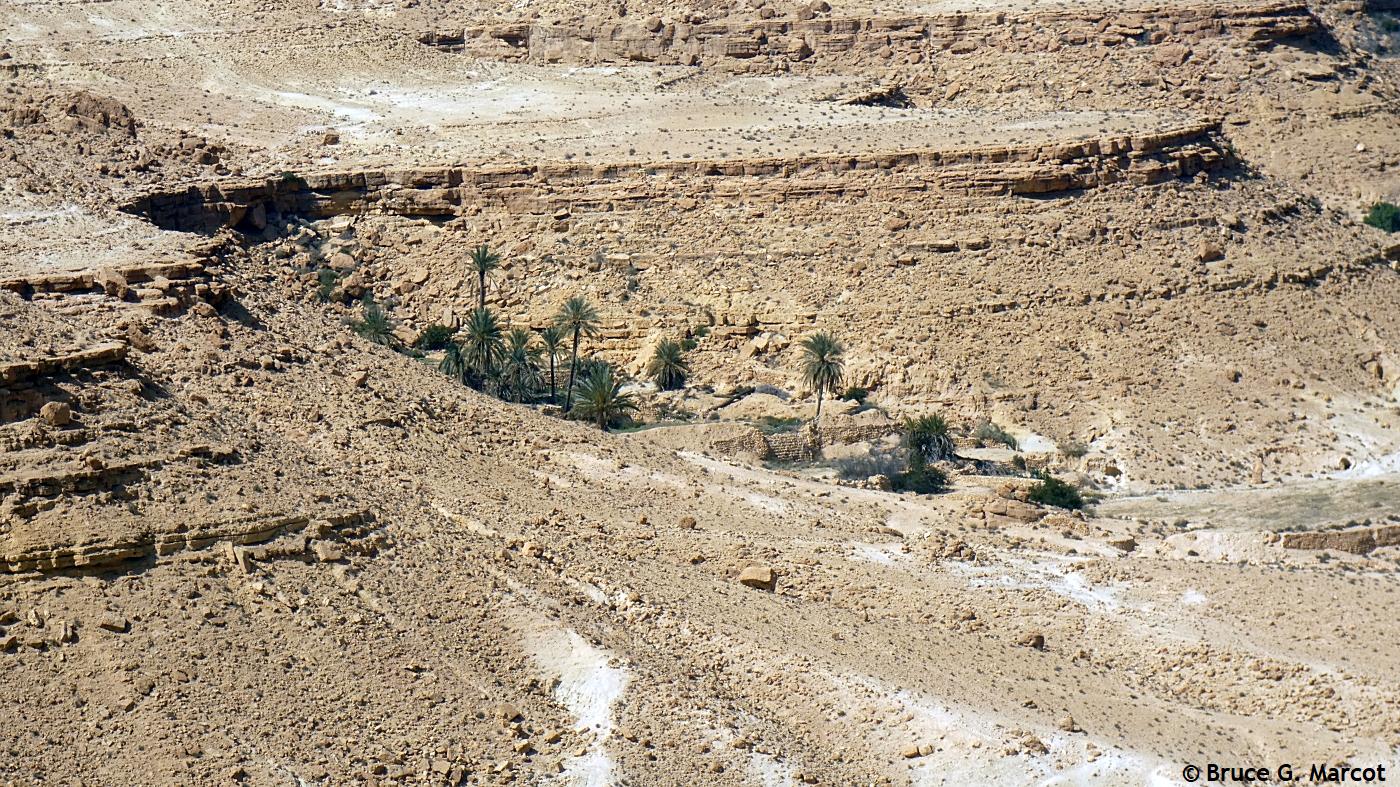
Explanation: How could there be a more classical image of a desert oasis? We are approaching a camp site in the northern Sahara Desert of Tunisia, North Africa. Here, the desert is rocky and immensely dry ... except for the very bottom of occasional ravines where the local water table barely reaches the surface.
This is the environment of date palms and associated other plants and wildlife. One study of oasis ecosystems in north Algeria discovered a total of 53 species of birds from 29 families, occupying areas with palms, fruit trees, and cultivated crops. Some 18 of these species are resident breeders, and others occur as seasonal migrants, making the oasis system important habitat for a wide avifauna (see Chiheb et al. 2021). However, oases can
serve as attractive environments for non-native species. For example, in
oases in neighboring Morocco, another study (Taheri et al. 2021) reported some
5 species of invasive ants, along with 22 native species, but among 11 oases
studied, only 4 had no invasive ants. Apparently, the presence of
invasive ants is related to available water and resource flow
rates.
Another study (Tydecks et al. 2023) described this linkage as "biocultural diversity," using examples of Sahara Desert oases in Algeria as markers of cultural persistence. The study related elements of biodiversity, such as species richness and functional diversity, to elements of cultural diversity, such as economic, artistic, and linguistic diversity. And in harsh desert oasis settings, the major drivers influencing, and perhaps threatening, all elements include isolation, small areal coverage, harsh climate and environment, and globalization and external human impacts.
|
Next week's picture: Mono Lake Landscape
< Previous ... | Archive |
Index |
Location | Search | About EPOW | ... Next >
Google Earth locations
shows all EPOW locations;
must have Google Earth installed
Author & Webmaster: Dr. Bruce G. Marcot
Disclaimers and Legal Statements
Original material on Ecology Picture of the Week © Bruce G. Marcot unless denoted otherwise