|
|
|
An Overgrazed Gobi |
|
|
|
|
|
An Overgrazed Gobi |
|
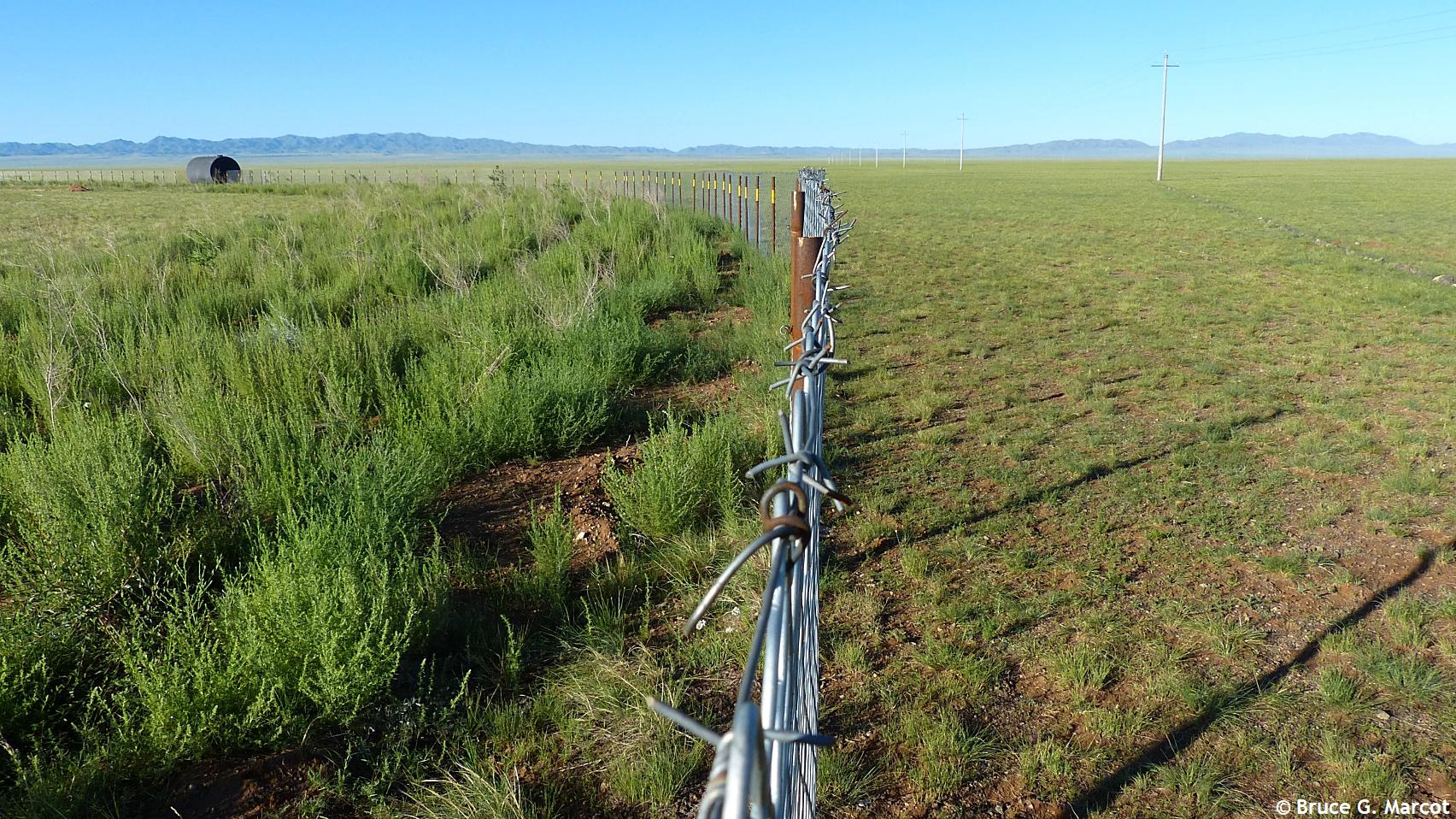
Grazing Exclusion Plot |
Credit & Copyright: Dr. Bruce G.
Marcot
|
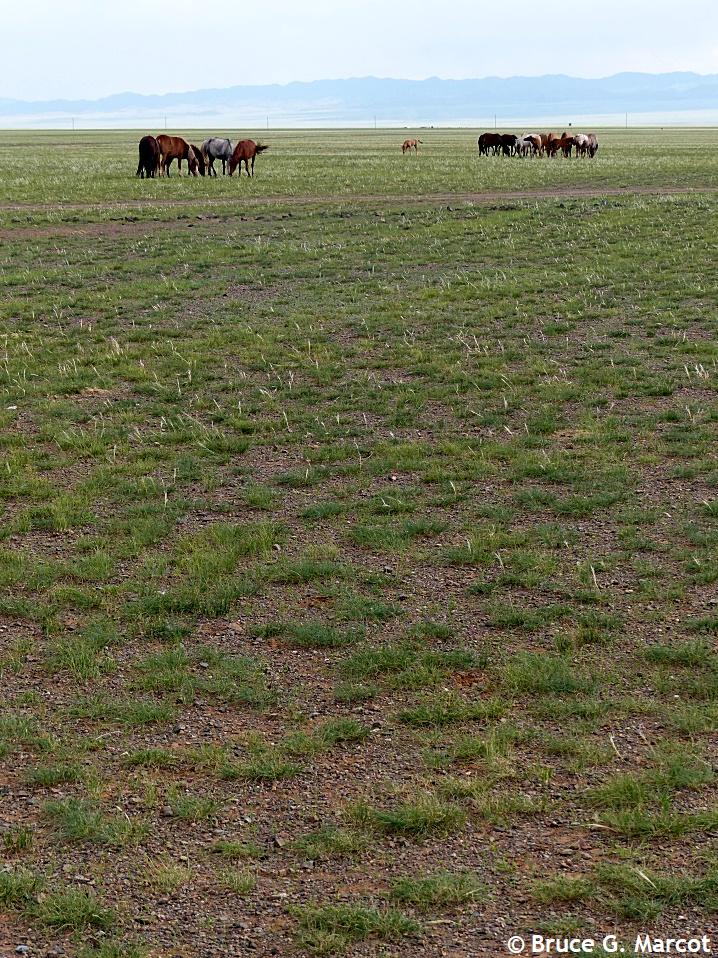
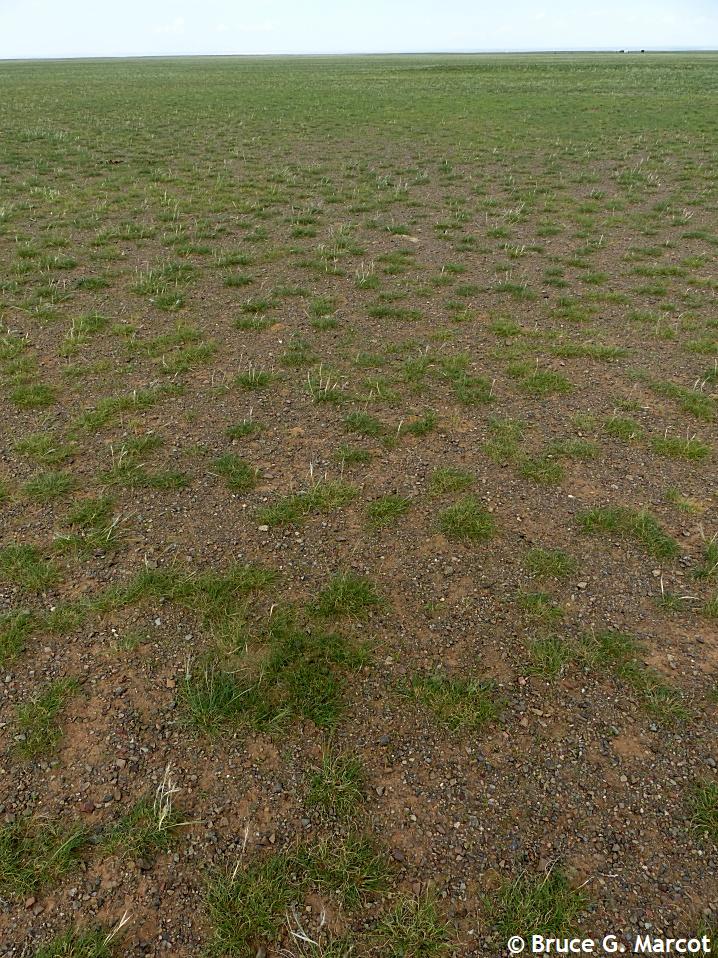
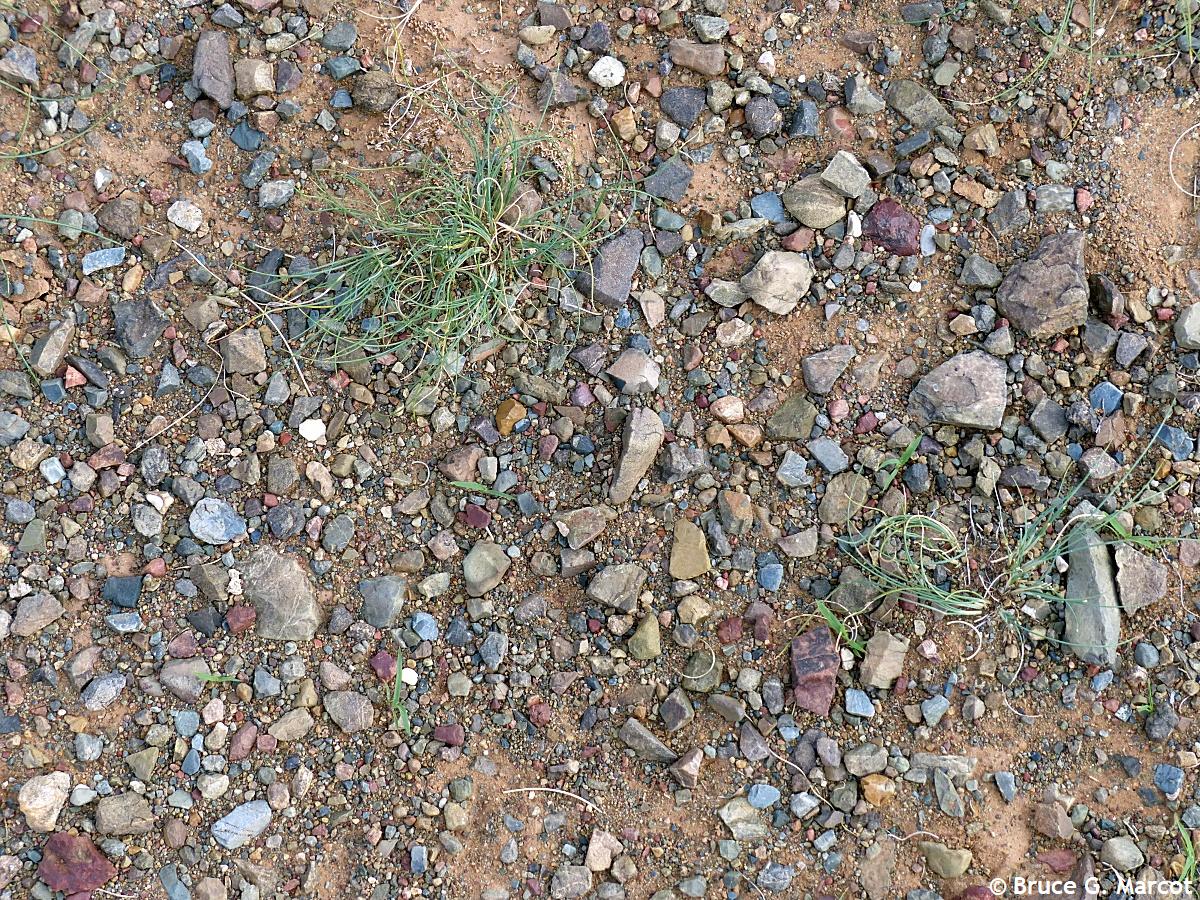
Explanation: This grazing exclusion plot says it all. We are near the Dream Gobi Ger Camp, some 20 miles or so west of the city of Dalanzadgad, in the Gobi Desert of southern Mongolia. We arrived here on 4WD SUVs driving through the desert. The Gobi is an awesome exosystem, but is being extensively overgrazed and converted, both here and in China. The exclusion fence in the above photo clearly shows the influence: on the right is allowed heavy grazing by livestock as well as by native and domesticated species such as camels. On the left is a remarkably lush alternative ecosystem that can yet develop, if overgrazing was greatly reduced or excluded.
And other stressors on the Gobi have been added by coal mining and agriculture.
One major effort to restore and conserve a native Gobi Desert ecosystem is being instituted as the Ensuring Sustainability and Resilience of Green landscapes in Mongolia (ENSURE) project, funded by the Global Environmental Facility (GEF) and implemented by Ministry of Environment and Climate Change and UNDP. This project includes partnerships with local governments and herders, to reverse the trends of excessive desertification and the spread of desert systems under climate change influences. Other restoration efforts, particularly in China, include the so-called Green Great Wall of China, a.k.a. the Three-North Shelterbelt program. May
these restoration and conservation efforts succeed, to provide restored and
continued habitat for the variety
of native
wildlife
species
and occupants
of this wonderful, harsh, wild ecosystem.
|
Next week's picture: Mine Seepage
< Previous ... | Archive |
Index |
Location | Search | About EPOW | ... Next >
Google Earth locations
shows all EPOW locations;
must have Google Earth installed
Author & Webmaster: Dr. Bruce G. Marcot
Disclaimers and Legal Statements
Original material on Ecology Picture of the Week © Bruce G. Marcot unless denoted otherwise