|
|
|
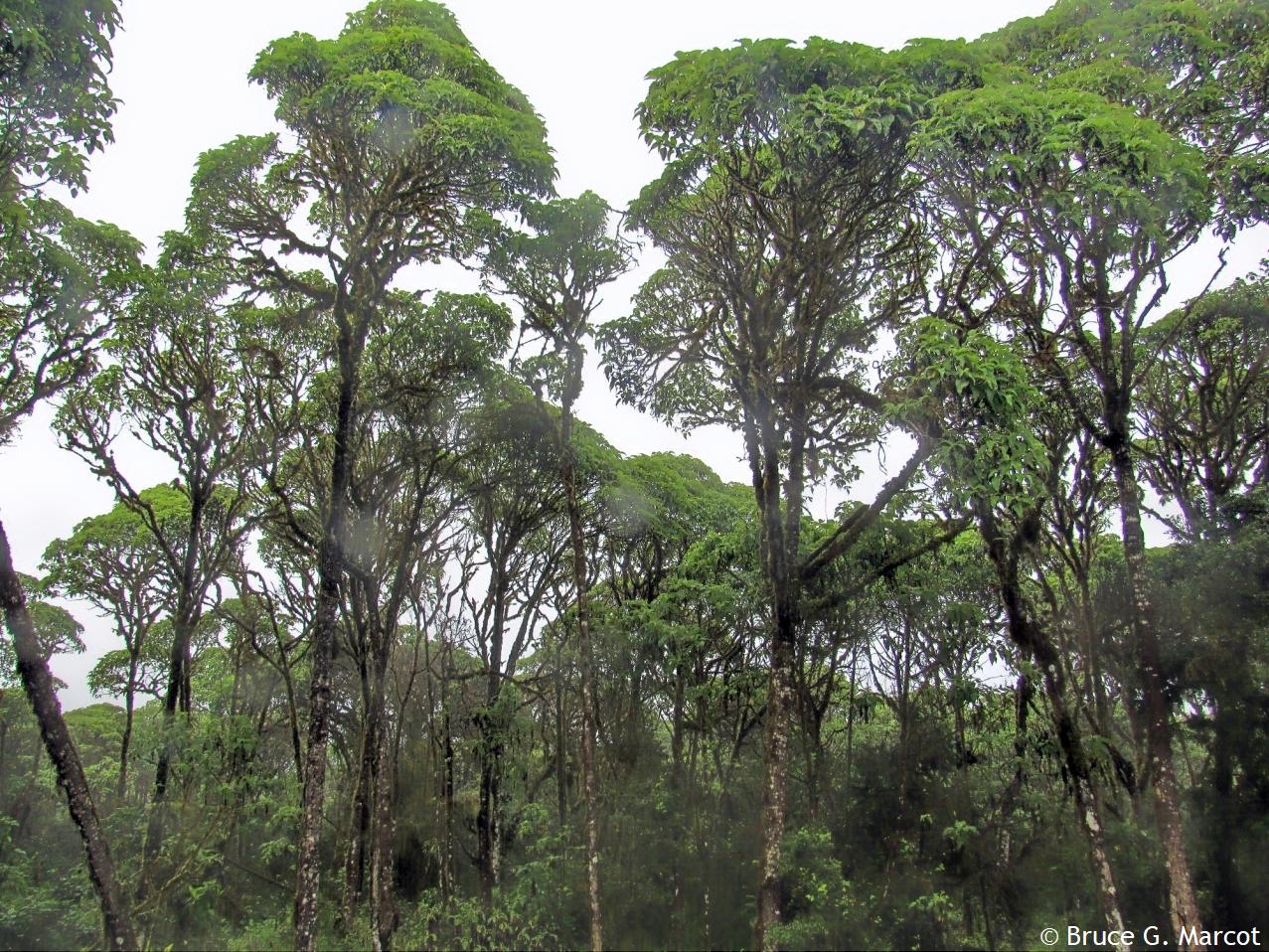
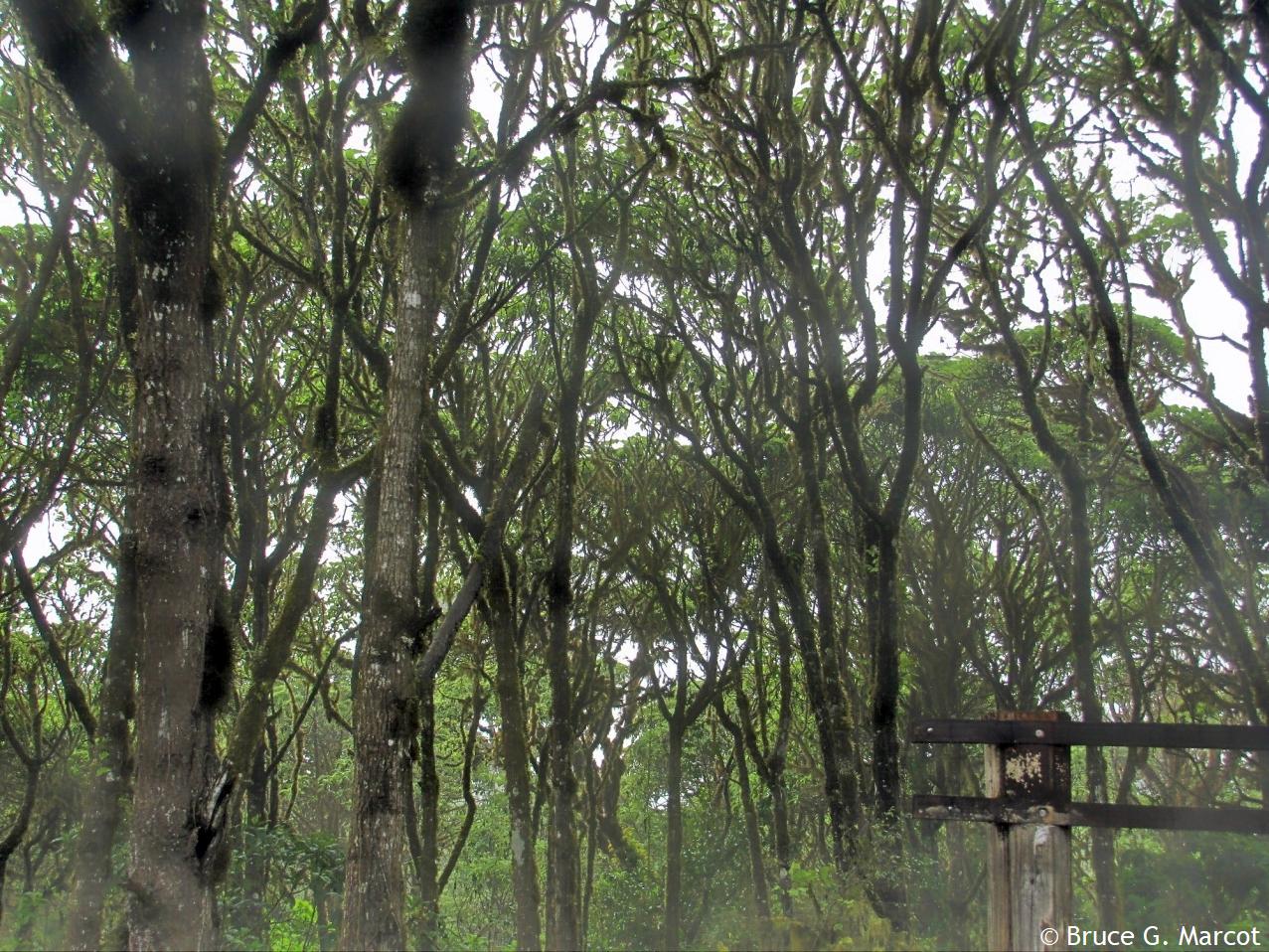
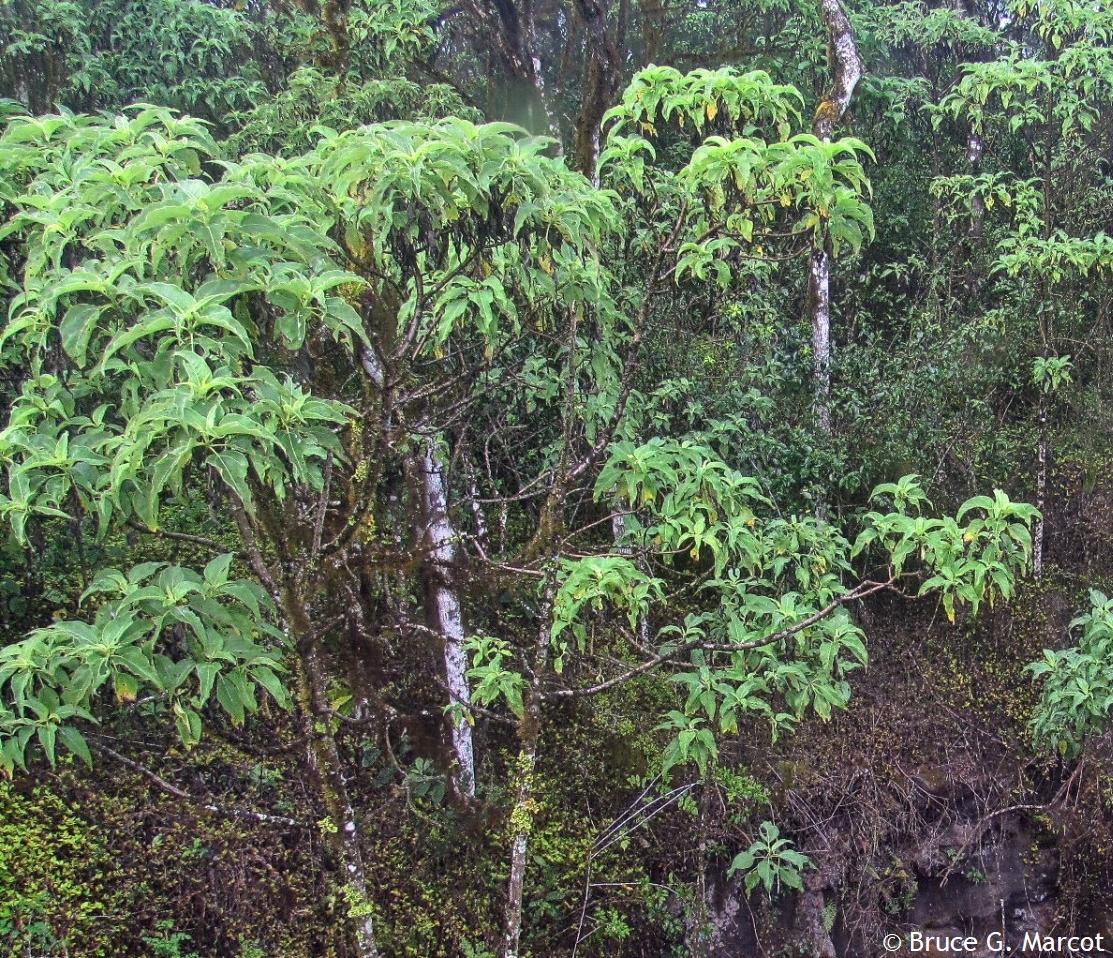
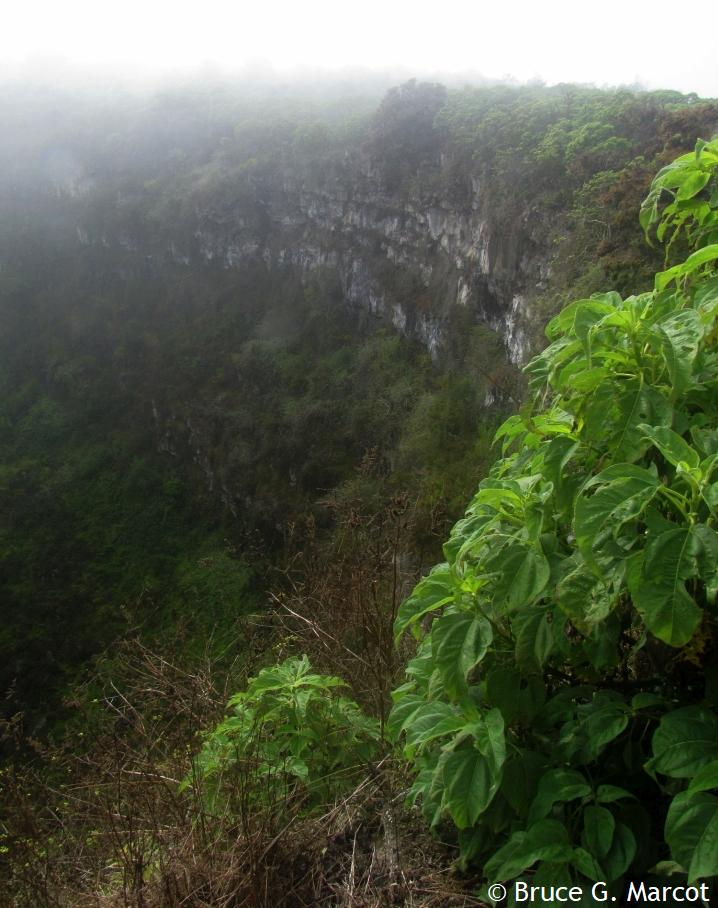
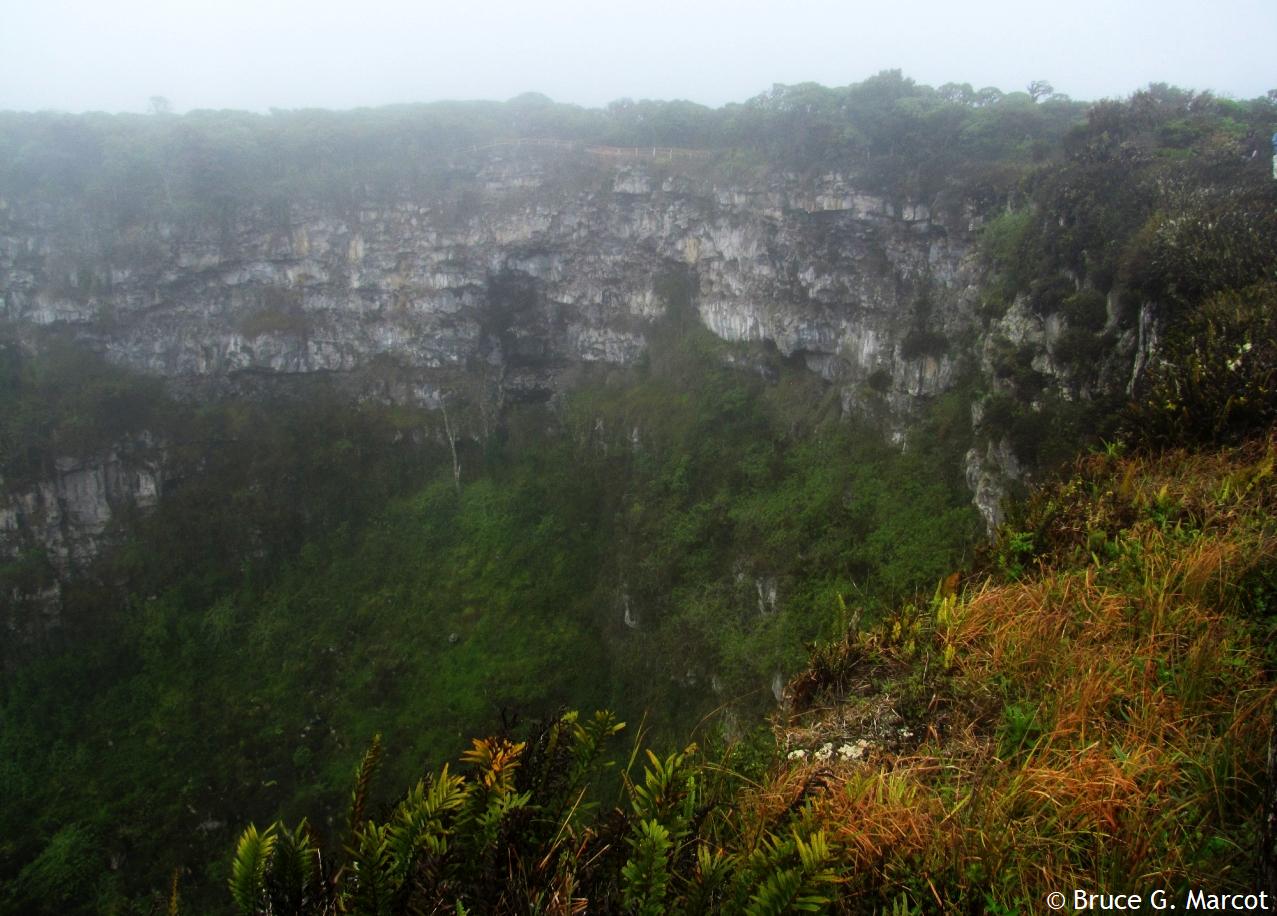
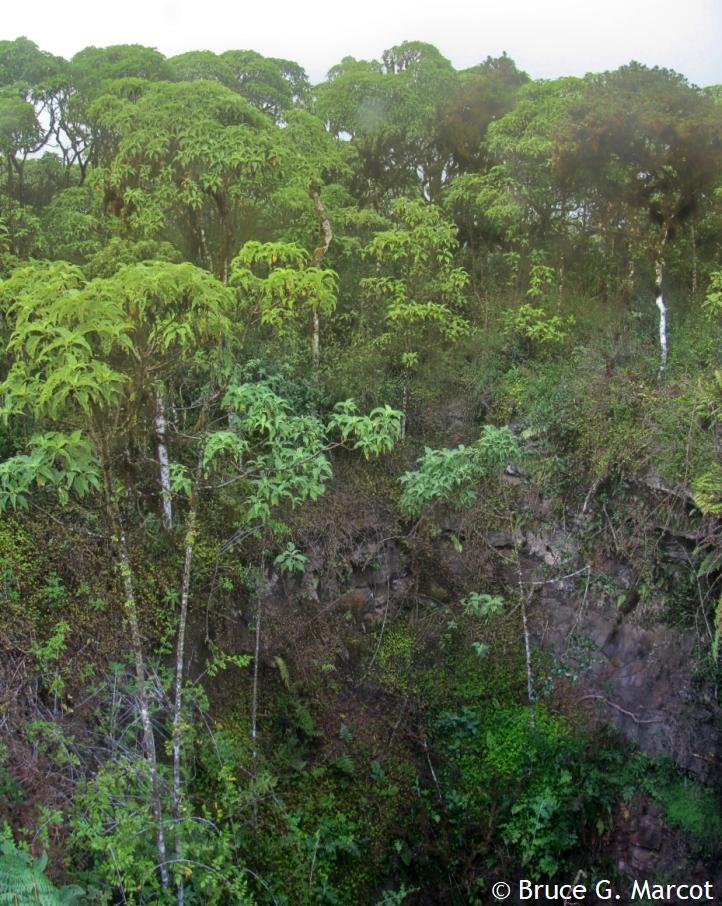
Scalesia in the Crater |
|
|
|
|
|
Scalesia in the Crater |
|
Scalesia (Scalesia pedunculata), Family
Asteraceae |
Credit & Copyright: Dr. Bruce G.
Marcot
|
Explanation: Here, on Santa Cruz Island of the Galapagos Archipelago of Ecuador, spreads a somewhat tangled woodland of Scalesia trees. With thin, towering trunks, this a member of the Asteraceae family, which we commonly relate to flowering daisies. But a daisy this is not, although it has been referred to as the Giant Daisy Tree. This genus -- Scalesia -- is found only on a few of the Galapagos Islands, and here this genus consists of 21 species and subspecies of trees and shrubs, a nice example of local adaptive radiation of many forms arising from a common source. This particular Scalesia tree species reaches about 15-20 m (50-65 ft) in height and occurs in the aptly-named Scalesia (Vegetation) Zone on the islands. It grows on rich soil, so much of these woodlands had been cleared for agricultural use.
|
Next week's picture: Cherry Tree Visitor Doing Well
< Previous ... | Archive |
Index |
Location | Search | About EPOW | ... Next >
Google Earth locations
shows all EPOW locations;
must have Google Earth installed
Author & Webmaster: Dr. Bruce G. Marcot
Disclaimers and Legal Statements
Original material on Ecology Picture of the Week © Bruce G. Marcot unless denoted otherwise